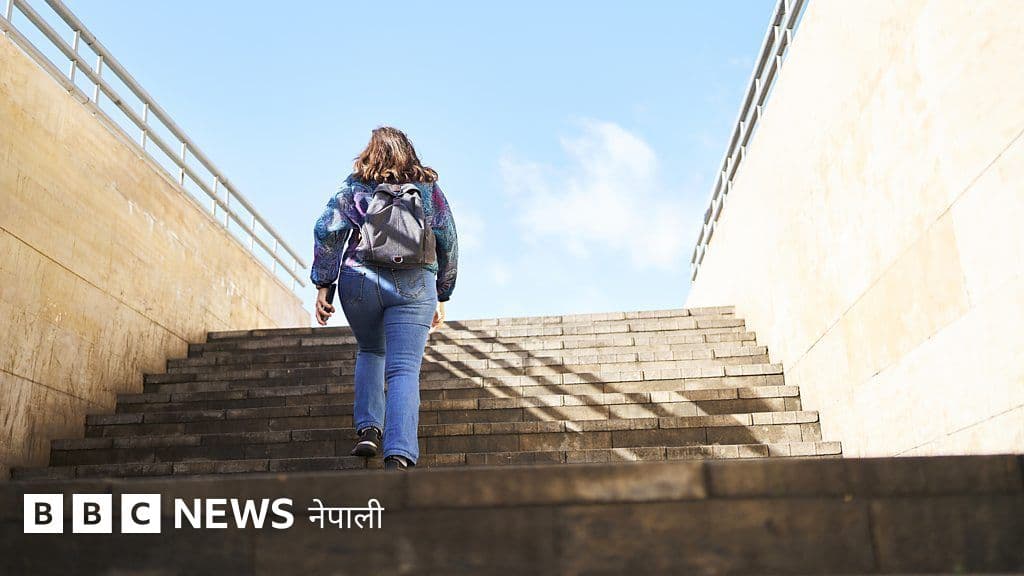
Reports from BBC News Nepali, Onlinekhabar and Farak Dhar link long hours of sitting, heavy screen use, stress and irregular sleep habits to tiredness and poor sleep. According to BBC News Nepali and Onlinekhabar, small, unplanned movements through the day, known as non-exercise activity thermogenesis, may help the body burn more calories and lower the risk of heart disease from long sitting. A 2024 study of more than 22,000 people in the United Kingdom found that about four minutes a day of short, incidental bursts of activity could help.
The reports give examples: fidgeting, stretching, changing posture, walking while on the phone, carrying a basket instead of pushing a shopping trolley, and adding a small movement to something already part of the day. Farak Dhar says tiredness or poor sleep that persists or affects daily life should be taken to a doctor; Onlinekhabar advises tests on a doctor's advice when there are risk factors or other symptoms.